Size of a Hammer
Used mainly for striking objects, the hammer is more versatile than most realize. Varying in design and size, each specific hammer type is relative to a particular task.
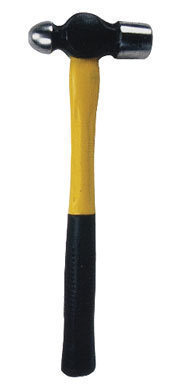
Used mainly for striking objects, the hammer is more versatile than most realize. Varying in design and size, each specific hammer type is relative to a particular task.
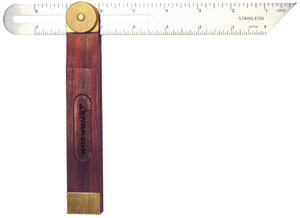
The sliding T bevel is a tool used for duplicating or setting up angles. Various types of sliding T bevel sizes are in existence today, and some have extra features built in. Use the sliding T bevel and simplify those woodworking tasks.
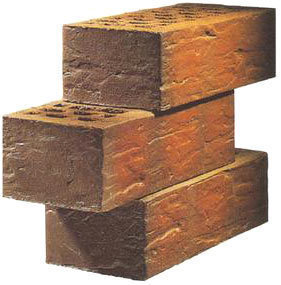
The brick is one of the oldest known construction materials in history. Sturdy enough to stand the test of time, it remains in use around the world, with different countries implementing their own standard sizes.
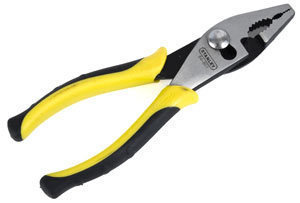
Pliers are tools used to cut or grip different materials and objects. The dimensions of pliers and features differ so they can perform various tasks. Among the pliers available today are needle-nose pliers and linemen’s pliers.
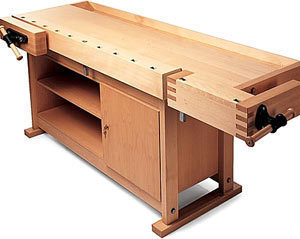
Workbench dimensions differ depending on the type of projects that you will be working on. There are workbenches for woodworks and carpentry as well as for gardening and laboratory projects.
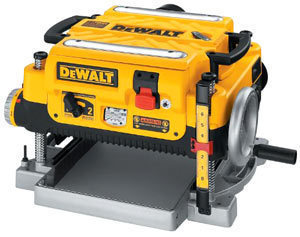
The thickness planer is a tool used for reducing the thickness of wood boards. To use the thickness planer, place the wood board in the machine and make as many passes as necessary to trim it. Get familiar with thickness planer sizes and how the machine is used.
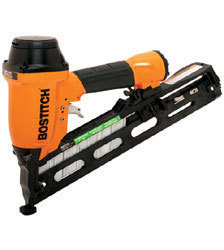
The nail gun is a tool used for driving nails onto a variety of surfaces. Various nail gun dimensions and types exist, with some automatic and powered by electricity. Get insights into the workings of a nail gun and what the variants are.
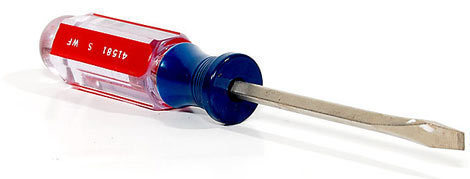
Screwdrivers are tools used for turning screws. The screwdriver sizes vary, as they are used in a variety of tasks and jobs. Before you can use the screwdriver, familiarity with the different sizes and types is necessary.
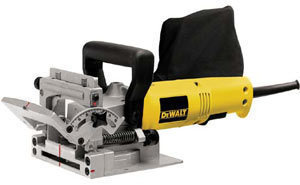
The biscuit jointer is a tool used in numerous woodworking tasks. There are several biscuit jointer sizes and types, which makes them very versatile. Explore the features of biscuit jointers and the various ways the tool can be utilized.
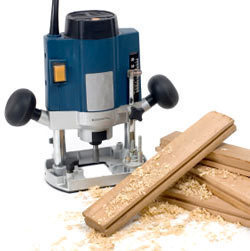
The wood router is a utility used for various woodworking tasks, such as adding moldings or decorative grooves on timber edges. The wood router dimensions vary as there are many types available. Among the types used are fixed spindle and the plunge routers.

The belt sander is a device used for the sanding of wood, stripping paint off wood and other tasks. Belt sander sizes differ as there are many designs available. When looking for belt sanders, the power and tracking control have to be assessed.
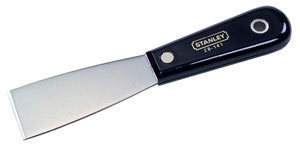
The putty knife sizes differ, although many have a width of 1 i1/2 inches. Others are wider at 2 inches and some are 3 inches. It is also known as a spackle knife.
Characteristics
The knife is a scraping utility that looks a lot like the kitchen spatula. The knife is characterized by the blade, which is flat. The tool has a solid handle and can be used in various construction projects. The knife can also be used in different home related tasks too.
Types and Variants
The putty knife can be divided into two types: the one with the stiff blade and the one with the flexible blade. The stiff blade type is made from steel materials. This does not blend and is quite thick. The utility is ideal for use in any task that requires a rigid utility.
For example, this knife can be used for scraping. It can be used to take off wallpaper or paint. Whatever the putty knife size is, the knife can be used to remove any rough spots on an even surface.
The flexible putty knife is equipped with a thin blade. This makes the blade bendable. This type is similar to the spatula and can be used in a way similar to it. For example, the putty knife can be used to apply a sealant.
It may also be used to apply a covering agent on a surface. The knife is often equipped with a plastic handle and body. The knife can be used several times, but it is also disposable.
Other Information
Both types of tools can be purchased in hardware stores. Stores often carry different types of putty knives so you can pick different types. These models are not expensive, particularly the disposable ones.
Usage
To scrape, hold the knife in an overhand manner. Position it at an angle of 45 degrees at the area that needs to be scraped. Thrust on the surface firmly to remove the debris.
If you will use it to spread materials, hold the knife in an overhand manner with the index finger at the putty knife’s back. The angle has to be set at a 45 degree angle. Spread the material as desired.
The putty knife sizes and types mentioned here are just some of the versions you will come across. Many more may be available, so be sure to check out stores and online sites.