Posts Tagged ‘pets’

Dimensions of a Dog House

Tuesday, March 2nd, 2010

Dog house sizes are categorized as small, medium or large. Dog HouseBut because dog houses come in different designs, small, medium and large dimensions are not standardized.

Suggested Dog House Dimensions

Dog breeds are numerous and the following is only for a select few. Determine the size of your dog and pick the most appropriate one. Also keep in mind that even the dog types mentioned here come in different sizes and shapes.

For Toy Poodles and small Terriers with 10” shoulders (12” when sitting): the sleeping area should be 15” x 24”; the hall area is 11” x 15’; combined sleeping and hall area is 15 x 35”. The ceiling height should be 14”, the doorway should be 7” square and the roof 25 x 48”. If a platform will be used it should be 25 x 48”.

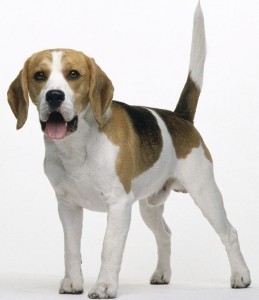
Dog house sizes for Beagles (12” shoulder; 14” sitting) are as follows. Sleeping area: 16 x 27”; hall area: 12 x 16”; joined sleeping and hall area: 16 x 39”. The ceiling should be 16”, the doorway 8” square and the roof 26 x 54”. The platform is 26 x 54”.

For Cocker Spaniels (16” shoulders; 18” sitting), the sleeping area is 18 x 31”. For the hall area: 12 x 18”; joined sleeping and hall area: 18 x 43”; the ceiling height is 20”; the doorway should be 9” square and the roof 34 x 62”.

Other Dog House Sizes

For Dalmatians (20” shoulders; 23” sitting), the sleeping area must be 20 x 36”; the hall area is 12 x 20” and the joined sleeping and hall area is 20 x 48”. The ceiling should be 25”, the doorway 10” square, the roof 36 x 72” and the platform 36 x 72”.

For Golden Retrievers and Collies, (24” shoulders; 27” sitting), the sleeping area needs to be 22 x 39”, the hall area is 14 x 22” and the sleeping / hall area 22 x 53”. The ceiling should be 30” and the doorway 11” square. The roof should be 38 x 78” and the platform 38 x 78”.

The dog house size for the St. Bernard (28” shoulder; 32” sitting) are as follows: the sleeping area: 25 x 43”; the hall area should be 16 x 25”; combined hall and sleeping area is 25 x 59” and the ceiling 36”. The doorway should be 12” square and the roof 41 x 36”. The platform must be 41 x 86”.

Other Facts to Consider

The rule of thumb is the dog house’s height should be at least 4 inches taller than the animal itself. In terms of space, there should be enough for it to lie down, turn, get in and out. If you’re still unsure, go to a dog house store and ask for some advice.

When picking dog house sizes, bigger isn’t always better. If you live in cold areas, extra large doghouses will make the animal feel cold. If you want more space, just add a couple of inches to the recommended sizes mentioned above.

Cat Carrier Sizes

Sunday, February 21st, 2010

Instead of merely carrying your feline pet in your arms or letting it run alongside of you, there’s an easier and simpler way for pet transportation – cat carriers. Various cat carrier sizes can be bought from online shops and nearby pet shops to give cat owners like you a lot of choices.

Take Note of the Product’s Use.

If you are in the market for a pet carrier for your cat, make sure that you know what you would like to get for your favorite animal. As always, it’s best to check the features if you’re hoping to bring your pet when you travel.

While most of the carriers with various cat carrier sizes may be able to fit any travel needs for your pet, there are some carriers that are best made for air travel. Usually, these are IATA approved.

For the IATA-approved carriers, these can also be used in car travel or quick visits to the vet.

There are Two Types to Choose From.

As mentioned, you can choose to buy an IATA approved carrier for your feline. These usually come with other accessories to make your pet have a safer travel experience. Among these accessories include a water dish or wheels.

Better check if these are already included with your purchase. If not, you may have to dish out a few bucks for the additional features.

Another type is called a standard carrier for other types of travel. Together with this, you may also buy other useful stuff to go with the carrier like a carry or shoulder strap, a feeding bowl, and wheels.

Some of the Available Sizes.

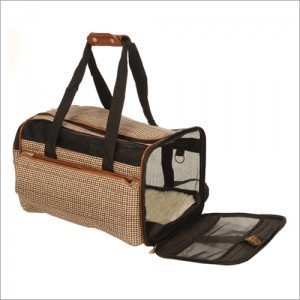
A small carrier may have dimensions of around 19.5 by 13 by 12.5 inches. This can be a good size for bringing your kitten wherever you go.

A medium sized product may give you dimensions of around 22.5 by 14.5 by 14.25 inches.

There are also others with a size of 47 by 30 by 30 in centimeters. This product is usually made of plastic with a packing of 12 pieces of carton.

You may also prefer a carrier with 18 by 11 by 10.5 inches for its length, width, and height measurements. If you look around, you may find one with a black color. This is said to accommodate any size of cats for your convenience.

With so many available options, be sure not to get lost in the products and buy on a whim. Remember that you’ve got to ensure the safety and comfort of your cat. So take a moment to gauge things before you choose the best among the cat carrier sizes in the market.

Dog Carrier Sizes

Sunday, February 21st, 2010

Traveling with man’s best friend? You can actually lessen the possible problems of traveling with your dog if you check out the types of dog carrier sizes that are designed for this purpose.

Yes, there are many types available that you may want to examine further before making your choice on what you would like your dog to use.

To get detailed information, and learn what you need to do, read the following tips to get you started:

The Two Types of Dog Carrier Sizes

One of the most known carriers is the carry-on that is designed primarily for smaller dog breeds. Some airlines allow you to use this type of carrier that you can fit at the bottom of your seat in the airplane. However, you may have to check the regulations before you book a flight with a certain airline since the regulations on bringing a pet along on your trip may differ from one airline to another.

Another type of carrier for your beloved animal is referred to as the cargo. This is used for larger dogs. Instead of safely placing your pet under your seat in the airplane, you would have to make your pet enjoy the travel in the cargo area with airline luggage.

The Features to Look for

In choosing a carrier, you may have to look for features that may ensure a safer travel for your pet.

One of the important features to look for is comfort and room space. If the carrier provides enough room for your pet, your dog can change its position or stretch its legs comfortably during travel.

Another thing to take note of is if the carrier has its USDA approval. Those that are approved usually have a high density plastic, ventilation holes for your pet to breathe, and stickers of “Live Animal” for you to use on the box. Carriers that do not bear the USDA approval are not usually allowed for travel in an airplane.

For more convenience, you may also have to check if the carrier provides a dish or water bottle for your pet’s use. While it is not recommended that your pet should eat before and during the trip, you may have to provide water in its carrier to quench its thirst and make your dog feel more comfortable.

Some of the Best Choices

To narrow down your search for a good carrier for your pet, some of the best choices, so far, include the Teafco Argo carrier and the Sky Kennel carrier.

So before you look for dog carrier sizes to carry your pet in, it pays to remember these things that may help you in choosing a carrier that provides the convenience you are looking for.

What is the Size of a Malamute?

Monday, February 8th, 2010

The malamute is a domestic Size of a Malamutedog that was originally bred to serve as a sled dog in Alaska. It is a large breed, which shares many features with the Siberian husky, although they are two different breeds. It comes in different colors, the most common are black, sable and gray. No matter what color it is, it always comes with a white color. It has a plush undercoat, with a thick double coat. It has an average lifespan of up to 14 years. For people who are very interested in dogs, it is nice to know the size of a malamute.

The Size of a Malamute

What is the size of a malamute? The average and desirable height for malamutes is 25 inches for males and 23 inches for females. In terms of weight, males must measure about 85 pounds, while the ideal weight for females is 75 pounds. In some cases, these dogs can weight up to 90 pounds. Likewise, there are cases when such dogs measure less than 75 pounds.

Additional Facts and Other Important Details

Malamutes are judged mainly for their capacity to function as a sled dog and pull heavy freight. The other criteria are only secondary. These dogs have tremendous pulling power. Based on the standards set by the American Kennel Club, their tails must be well furred, which are important in helping them stay warm as they curl up in the snowy ground. Likewise, they use these tails to cover their noses and faces, especially during harsh weather conditions.

The common cause of death for these dogs is cancer. In terms of morbidity, their most common health problems are hereditary cataracts and hip dysplasia. Furthermore, they are also at risk of other serious illnesses such as heart defects, chondrodysplasia and inherited polyneuropathy. Because of their dense coats, they are unsuitable to live in areas with hot climates. If such condition is unavoidable, it is best to give them plenty of shade and water.

Nowadays, people keep malamutes as family pets. Because of their beautiful fur and other cute qualities, they are featured a lot in different dog shows all over the world. These dogs are also known for their primitive behaviors, resourcefulness and independence. Instead of barking like other dogs, they vocalize by producing a ‘woo woo’ sound, which is very similar to coyotes and wolves. Their origins can be traced back more or less 3,000 years ago in Alaska.

Small Size Dogs

Wednesday, January 27th, 2010

The following are the smallest dog breeds today. Depending on how the animal is taken care of however, the size may vary significantly.

Small Size Dogs: Chihuahua

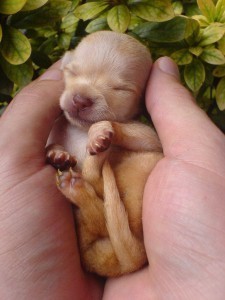
The Chihuahua’s size varies from 6" to 9". A typical Chihuahua lives for 14 to 18 years. The dog traces its origin back to Mexico (it is named after a state there). Their coats can be either short or long, with the shorter ones much softer.

The dog needs to be groomed weekly. This includes brushing the teeth and cleaning the nails. In terms of health, potential problems include Patellar Luxation (injury to the kneecap) and Entropion (inversion of eyelid to the eyeball). Nerve issues are some of the more serious ailments that can afflict it.

Small Size Dogs: Pekingese

The size is about 6" to 10" or slightly bigger than the Chihuahua. The life expectancy is between 13 to 15 years. The dog originated in China and was bred to be a lap dog for the wealthy and powerful. This dog is also known as Peking Palasthund.

The coat varies in shade, but the typical Pekingese has a long coat that is somewhat coarse. The potential health problems for the Pekingese are the same as that of Chihuahuas. Serious health problems involving the heart, eyes, bones etc can also happen.

Having the dog checked regularly by a vet and given the recommended vitamins and shots are important. Like other toy dogs, the Pekingese needs to be groomed on a weekly bass.

Small Size Dogs: Brussels Griffon

The Brussels Griffon measures 7" to 8” and has an average life span of 12 to 16 years. The dog traces its roots back to Belgium in the 1800s. The dog was initially bred for hunting purposes. The breed is also known by a variety of names including Belgian Griffon and Griffon Belge.

The toy dog was registered at the American Kennel Club back in 1910. Its coat is typically reddish black. Some breeds have black coats with a bit of tan and white in them.

Their coat can be either wiry or smooth. Among the potential health problems involve its digestive system, respiratory and urinary infections. More common problems involving muscle and joint injury can also occur.

Small Size Dogs: Toy Fox Terrier

The size varies from 8" to 10" and it has an average life span of 12 to 14 years. This breed originated in England around the 1800s and is also known as the American Toy Terrier. The dog’s coat is typically black and white with some tan. The coat is usually shiny and needs to be kept short.

Like other toy dogs, the Toy Fox Terrier needs to be protected against various diseases including the ones mentioned earlier. The best way to avoid health complications is to give the dog vaccination shots. The dog should be groomed on a regular basis. Keeping it clean will prevent allergies and infections from occurring.

The information provided about small size dogs here is just an overview. Depending on your location / region, different health issues may crop up. Check with your local vet first.

Dog Pregnancy Length

Thursday, January 7th, 2010

Dog pregnancy usually lasts for nine weeks orDog Pregnancy 63 days. But their are also instances that puppies are born between day 58 to day 68.

Diagnosis

Pregnancy tests for dogs are not available as of the moment whether it is through urine or blood tests. The earliest times when the vets can detect that she is pregnant are between day 26 to day 35 after the breeding was done. This is done by feeling the pregnant dog’s abdomen and the accuracy for this method is 85%. For a more accurate diagnosis of dog pregnancy, the pregnant dog can undergo an x-ray examination at day 45. This method is 95% accurate and it can also determine how many puppies are in the womb.

Physical Changes

There are only few observable changes for the first five weeks of dog pregnancy. Once the fifth week passed, pregnant dogs usually start to gain some weight particularly those with big offspring. For mother dogs with only one or two puppies in the womb, a little gain weight may occur until a few days before delivery. In the last three weeks of pregnancy, enlargement of the abdomen becomes visible. On day 35, the enlargement of the mammary glands may start to occur but it will be more visible only when day 45 comes. The presence of milk occurs as early as seven to nine days before giving birth. But in general, milk is produced only until one to two days before giving birth.

Behavioral Changes

Dogs usually show some behavioral changes particularly in the last few weeks of their pregnancy. As the enlargement of abdomen happens, pregnant dogs usually become restless. They prefer to be alone most of the time and they will soil the house in the last few days of dog pregnancy. Shredding of things like blankets, bedding, or papers may happen as they try to do ‘nest building’ few weeks before delivery. It is better that you should avoid your children to be in contact with your pregnant dog since they will become really irritable.

Nutrition

Good nutrition is really important in any stages of dog pregnancy for the benefit of both mother and puppies. In the first four weeks, there is a little change in the nutritional need of the dog but it is better if you feed her with small quantity of high protein foods like lean muscle meats, eggs, and liver. Pregnant dogs will double their nutritional needs in the last five weeks of pregnancy. The amount of food in every meal should be increased. There should always be the availability of fresh water to compensate her increased need of fluid. It is also recommended that feeding puppy food should be done until the lactation period stops.

Exercise

Moderate exercise is the best approach in dog pregnancy. Never force your dog to rest or make her do strenuous exercises. The good thing to do is to have short walks and short periods of gentle play with her.

Worlds Biggest Horse

Wednesday, January 6th, 2010

What is the World’s Biggest Horse?

The world’s biggest horse is a playful Clydesdale named Remington based in Dallas, North Texas. This giant of a horse weighs 3,000 pounds and 80 inches tall – easily making it to the Guinness Book of World Records as the World’s Tallest Living Horse on earth.

Remington’s owner, Cheryl Davis, hurt her foot when the horse accidentally stepped on it. She wore an orthopedic boot until the day they received news that he’d made the world record. Davis waited patiently for the record keeping company to make their report. She kept Remington’s fans updated through a humorous blog made for him. Davis joked she would not display the world record certificate in the barn, lest the mischievous horse ate it.

Remington’s trainer is Bunny Morrissey. Both owner and trainer describe the horse as playful, mischievous and clumsy, often breaking things due to his immense size. They created a blog to narrate his life to the public, entitling it “Remington’s Adventures.”

Who Was the Previous Record Holder for the World’s Biggest Horse?

The previous record holder was a draft horse from Belgium named Radar. Radar held the title of World’s Tallest Horse from 2004 to just September 21, 2009. He is owned by Prefect Ranch Equipment and lives in Mount Pleasant, Texas. He is 79.5 inches tall, just half an inch shorter than Remington.

New Contender for World’s Biggest HWorlds Biggest Horseorse Record

Another Clydesdale, this time based in Great Britain, may vie for the title in the future. Just 4 years old, Dagger already stands 6 feet and 6 inches tall from the ground to the highest point of his back. From the end of his tail to the tip of his ears, he measures 8 feet and 5 inches. With his head up, he is 9 feet tall. And he still has a lot of growing up left to do. As of 2008 he was as tall as Cracker, a Linconshire based in Tennessee.

Dagger had a hard life starting out. His first owners could no longer care for him. They were forced to give him up to an equine shelter, the International League for the Protection of Horses who took Dagger to their farm in Aboyne, Scotland. He is now cared for by farm owner Eileen Gillen and handler Lisa McFarlane.

Dagger weighs almost 2,000 pounds, has the appetite of three horses, and eats nearly 50 pounds of food and drinks 20 or more gallons of water in a single day. Dagger likes to be fed apples and carrots by human visitors who like to marvel at the huge animal. His handler and owners give him a chocolate muffin for a treat.

How Small is a Welsh Horse?

Tuesday, January 5th, 2010

Horses play a very important role in society because they serve manyWelsh Horse different purposes including in sports, leisure activities and even in work-related purposes. Aside from horseracing, they are used in foxhunting, rodeos and endurance riding. In terms of work-related activities, people use them for search and rescue operations. Furthermore, they play important roles in therapy, assisted learning as well as entertainment. Amongst the various horse breeds, one of the most interesting is the Welsh horse. For those who want to find out more about this creature, it is good to know the size of a Welsh horse.

The Size of a Welsh Horse

How small is a Welsh horse? The average height of the tallest cobs is more or less 163 centimeters or 64 inches, which is equivalent to 16 hands. For the smallest ponies, the average height is 112 centimeters or 44 inches, which is equivalent to 11 hands.

The Welsh horse is divided into various classes. Section A is referred to as the Welsh Mountain Pony, the size of which must not surpass 127 centimeters or 50 inches (12.2 hands) based on U.S. standards. Meanwhile, the height limit set by the United Kingdom standards is 122 centimeters or 48 inches (12 hands). Section B horses are called the Welsh Pony of Riding Type. The horses under this class must not go beyond the height limit of 137 centimeters or 54 inches (13.2 hands) in the United States, while the United Kingdom limit is set at 147 centimeters or 58 inches (14.2 hands).

Section C is named the Welsh Pony of Cob Type. Horses that fall under this category must not exceed the height of 137 centimeters or 54 inches (13.2 hands). Unlike Section B horses, this one is compact, more cob-like and heavier. On the other hand, Section D is simply referred to as the Welsh Cob. Although there is no upper height limit for this category, the horses must be higher than the limit of 137 centimeters or 54 inches (13.2 hands).

Additional Facts and Other Highly Important Details

This particular breed of horse has numerous uses. Based on history books, people used them before for visiting coalmines and riding through postal routes. Furthermore, these horses were also used to pull heavy guns and other heavy military equipment. The most common colors of the Welsh horse are bay, chestnut as well as black. However, there are also other unique variations including gray, palomino and dun. In terms of character and behavior, this particular type of horse is friendly, spirited and trustworthy.

Worlds Biggest Cat

Friday, January 1st, 2010

Known scientifically as Felis catus, the cat is often referred to as housecat or Worlds Biggest Catdomestic cat to differentiate it from other felids and felines. Although small, this carnivorous mammal is valuable to humans because of its capacity to hunt household pests and vermin. Furthermore, it serves as a highly important companion for people inside the house. Today, it is regarded as the most popular pet worldwide over dogs and other animals. Aside from these interesting facts, it is also good to learn something about the world’s biggest cat.

The Biggest Cat in the World

Based on the Guinness Book of World Records, the largest domestic cat ever recorded came from the state of Queensland in Australia. Named Himmy, the cat weighed more than 46 pounds or 20.87 kilograms. Its length measured 38 inches or 96.52 centimeters, its waist 33 inches or 83.82 centimeters and its neck 15 inches or 38.1 centimeters.

Today, there is another large cat in contention for the world’s biggest cat. Named Katy, it can be found in Russia. It weighs 44.09 pounds or 20 kilograms. However, the Guinness Book of World Records reportedly stopped accepting nominations for such category in order not to encourage pet owners to overfeed their cats.

Additional Facts and Other Interesting Details

In terms of breed, the Maine Coon is probably one, if not the largest. It can weigh more than 25 pounds or 11 kilograms. The average height of cats is 23 to 25 centimeters or 9.06 to 9.84 inches. The average length of tails is 30 centimeters or 11.8 inches.

Cats are known for their keen senses. Their night vision is remarkable, which functions only about 1/6th of the light level necessary for human beings in order to see clearly. The sensitivity of their eyes to dim light is enhanced significantly because of their eyes have tapetum lucidum. However, they have very poor color vision, which allows them to see only two different colors, namely green and blue.

Aside from their remarkable sight, they are also notable for their excellent hearing. In fact, they can identify an extremely wide range of frequencies. They possess better hearing than humans or dogs. In terms of life span, indoor cats usually last for about 14 to 20 years in captivity. This kind of animal is susceptible to different kinds of health problems including injuries, parasites as well as infectious diseases.

Cat owners must keep their pets away from certain objects, which are proven hazardous to the health of cats. These include weed killers, insecticides and rodenticides. Furthermore, they must be kept away from ethylene glycol, naphthalene and mothballs.

Parrots Average Size

Thursday, December 31st, 2009

With 372 species spread in 86 genera, it will be very difficult to give the average size of parrots. ParrotsThe smallest is the Pygmy parrot in the South Pacific; it is 3 ½ in long. The biggest is the Hyacinth Macaw which is over 3 feet long. The following is a size comparison of some of the species.

African Grey Amazons

The Blue Front is 15” long on the average, while the Dbl yellow-head is 14”. The Lilac-crowned is 12” long. The Red-lored is 13”, the Spectacled and Yellow Naped are 15” and the Brown Headed is 9” long. On the average, African Grey Amazons are 9” to 14” inches in length.

Conures

The Blue Crown is 16” long on the average while the Dusky Fair is 11”. The Half Moon is 9.5”, the Jenday, 12”, the Sun, 12” and the Gold, 11”. The Nanday is 14” while the size of parrots of the Green Cheeked variety is 10”. The Peach Front is 10” and the Orange Front 9”.

Lorikeets

The Black-capped is 12”, the Blue Streaked is 11” and the Chattering 12”. By contrast, the Green Naped parrot is 10” and the Rainbow 10”.

Macaws

The Blue and Gold macaw is 34”, while the Catalina is 34”. The Green-winged is also 34” in length, as is the Harlequin. The Hyacinth parrot is 39”. The Military is 27” and the Scarlet is 34”.

Mini Macaws

Hahn’s is 12” long, while Illeger’s is 16-17”. The Noble parrot measures 14”. The Severe is 19”, the Yellow-Collared is 17” and Meyer’s 9”.

Parakeets

The sizes of parrots in the Alexandrine/Ringneck varieties average 23”. Bourke’s is 8” while the Derbyan is 20”. The Lineolated is 6” in length while the Mustached is 12”. The Plum Headed is 13” long.

Parrotlets

The Green Rumped is 5”. The Pacific parrot is also 5” in length. The Mexican is 5”.

Pionus

The Blue Headed is 12” long; the Bronze Winged is 11” and the Dusky Headed is 10”. The Maximilian measures 12”, while the White Capped is 9”.

Other Parrot Species

The Brown Headed is 9”long, while the Budgie parrot ranges from 7” to 10”. The Caique is 9.5”. The Cape / Un-Cape is 13”; the Cockatiels are also 13”and the Cockatoos 12 to 18”. The sizes of parrots belonging to the Eclectus species vary from 12” to 14”.

The Hawk-headed is 12”, while Jardine’s is 12”. The Lovebirds measures 6”; the Quaker is 13”; the Red-Bellied ibis is 9” and the Senegal 9” long.

Diet

The diet of parrots consists of insects, pollen, seeds and buds. The biggest part of their diet is the seeds. This is clearly indicated by the bill; the size of the bill evolved from the need to burrow and consume seeds. In some cases, it may seem that parrots are eating fruits. However what the parrot is actually doing is looking for the seeds.

The sizes of parrots given here are not applicable in all situations. The breeding and environment can affect the length of the birds as well as their diet.