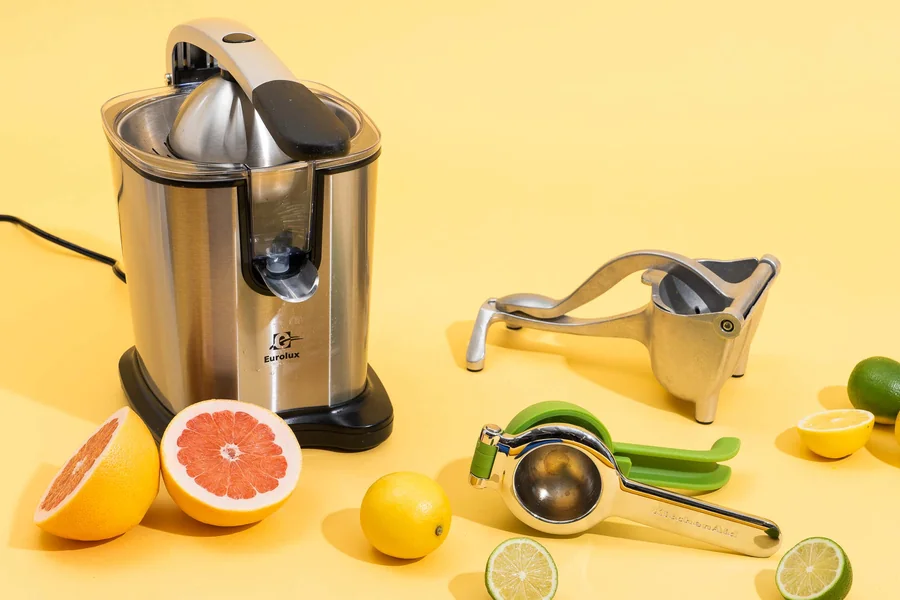
The term lemon reamer size is used to describe the various sizes and working capacities of lemon, lime, orange, and citrus reamers. Reamers come in a variety of sizes, the best being small, medium and large, depending upon the type of fruit and how much juice is desired. For lemons and limes use a small reamer, to handle larger citrus fruits use a larger reamer. Size also influences comfort, control, storage and accessibility to the inside of the fruit.
What Are Lemon Reamer Sizes?
Lemon reamer is a simple kitchen appliance used to extract the juice from citrus fruits. It is typically pointed or rounded, and has ridges to crush the pulp in the fruit, releasing the juice.
The traditional reamer is a hand operated press, as opposed to a citrus press. You cut the fruit in half and put the cut side on the reamer and twist or press the fruit against the ridged surface.
There are a few nuances to the term lemon reamer sizes, as no one size fits all. Manufacturers can refer to the length of the handle, the diameter of the reaming head, the overall length or just the fruit that the product is made for.
Common sizes include:
- Med-sized reamers: Great for oranges and lemons.Larger reamers: Ideal for limes and lemons.
- Medium reamers: Work for use with lemons, limes, and small oranges.
- Medium sized reamers: For medium-sized citrus such as lemons, oranges, and grapefruits.Small reamers: For small fruits like strawberries, cherries, and limes.
- Professional reamers: These are designed to be used regularly in the kitchen or bar and are often larger than those used for professional use.
The size is dependent on factors more than just physical size of the tool. Fruit size, juice output, hand comfort and use are all important.
Common Lemon Reamer Sizes Explained
A variety of common reamer sizes to choose from. While these are in general practical size divisions rather than industry standards, some may vary from manufacturer to manufacturer.
| Reamer Size | Typical Use | Best Citrus Fruits | Main Advantage |
| Small | Home use and small quantities | Limes, lemons | Easy control |
| Medium | Everyday kitchen use | Lemons, limes, small oranges | Versatile |
| Large | Higher juice volume | Oranges, grapefruits | Covers more fruit area |
| Long-handled | Frequent squeezing | Lemons, oranges | Better leverage |
| Compact | Travel or small kitchens | Limes, lemons | Easy to store |
Small Lemon Reamers
For lemons and limes, the small reamers work well. The smaller heads fit snugly into the fruit and are easier to handle the twist.
Ideal for salad dressings, marinades, sauces, desserts and beverages.
A miniature wooden or plastic reamer may also be pleasant to utilize from time to time in the home. Lemon’s are not particularly large so a large reaming head is typically not needed.
Medium Lemon Reamers
Medium reamer is more versatile. Can be used for normal size lemons as well as larger limes and some smaller oranges.
This is a good option for those who frequently use citrus in cooking. No special equipment is needed for each fruit.
Medium models may also work well in terms of control and juice extraction. They’re big enough to usefully cover a chunk of the fruit, but not so large they are difficult to handle.
Large Citrus Reamers
Larger reamers are used for larger citrus fruits. They can be helpful to oranges and grapefruits, particularly when it comes to getting a lot of juice out.
But for a regular lemon, a big reamer might not seem as accurate. The head may not fit in the fruit as easily as a smaller head.
Larger reamers are then better for citrus work done in your kitchen.
How Size Affects Juice Extraction
The size of the lemon reamer can may affect the amount of juice extracted. The reaming head should not have to work very hard to reach the fruit’s pulp if the tool is matched to the fruit.
This is where a small reamer will help you since you have the control inside a lemon. You can spread it up and out of fruit and make sure you are spreading it where juice is.
The more the head covers, the bigger it will be. This can be beneficial when using big fruit but it isn’t a guarantee of juiciness for each lemon.
The technique also plays a role.
Divide the lemon in half. Hold one half firmly and push the cut side onto the reamer. Hold the fruit in a steady-grip and rotate it around the head.
Too much pressure will make it hard to separate the seeds from the pulp. Clean finish is typically achieved when the twisting motion is controlled.
The ridges on the reamer also are significant. Deep ridges can aid in breaking pulp, smooth ridges can give a different feel when using.
Choosing the Right Lemon Reamer Size
When it comes to selecting a reamer, it’s easier to make a choice when you think about your citrus use.
Consider the Fruit You Use Most
On a smaller scale, a small or medium reamer will generally be useful if limes and lemons are the predominant fruits in the kitchen.
A larger one might come in handy if you regularly juice oranges and grapefruit.
Think About Juice Volume
There’s not much need to go with the big professional tool when it only needs to be used occasionally. A small reamer will fill a small section of your drawer, and will take a few lemons.
If you are needing an extra few lemons for a recipe, a large, long handled variety might be easier to handle.
Check the Handle
The reaming head is the most talked about piece, but the handle is significant as well.
A good handle should be firm, when it is wet. Materials include wood, plastic, silicone and stainless steel.
A longer handle can give more leverage if you need to squeeze a lot of lemons, and it will help you use less force to squeeze.
Consider Storage
The kitchen storage can be a significant contributor. A compact reamer will fit in the utensil drawer, a larger reamer will require more dedicated space.
When space is an issue, compare the full length prior to purchase.
Lemon Reamer Materials And Design
But size is not the only aspect to consider when selecting a reamer. The materials and construction can impact durability, cleaning and daily comfort.
Wooden Reamers
The traditional and simple reamers are made of wood. They can be natural in the hand and do not need any complicated mechanisms.
However, when using wood it should be cleaned and dried properly. If a wooden reamer is left wet for extended periods of time, its condition can be affected.
Plastic Reamers
Plastic models are light and they’re typically very inexpensive. They come in a variety of shapes and sizes.
The plastic reamer might be suitable for standard home use, particularly if it is necessary to clean it easily.
Stainless Steel Reamers
Stainless steel reamers have a long life and will not succumb to most kitchen wear. They also are simple to clean.
The disadvantage is that the metal versions can be heavier than those out of wood or plastic.
Reamers With Strainers
A straining section is sometimes built in to some reamers. These designs can aid in separation of seeds and larger chunks of pulp throughout the juicing process.
They can be used for cocktails, sauces and recipes where clean juice is desired.
Lemon Reamer vs. Citrus Press
A lemon reamer and a citrus press serve the same purpose but are used in different ways.
A reamer provides direct control. Fruit rotates manually against reaming head. This makes it easy and simple to keep the tool.
A citrus press is a machine that forces the fruit by means of leverage. Can be quicker when a lot of juice is required.
| Feature | Lemon Reamer | Citrus Press |
| Operation | Manual twisting | Lever or pressing action |
| Storage | Usually compact | Often larger |
| Control | High | Moderate |
| Speed | Good for small amounts | Better for larger batches |
| Cleaning | Usually simple | Can have more parts |
| Best For | Lemons, limes, occasional juice | Frequent or high-volume juicing |
A reamer is a great tool for one or two lemons. A citrus press can be a time and labor saver for multiple servings of fresh juice.
Tips For Getting More Juice From A Lemon
The proper lemon reamer size will not make up for poor technique. There are some simple tips to make juice extraction easier.
To prepare, take the lemon out of the cold refrigerator and allow it to come to room temperature. A room temperature lemon is usually easier to use.
Gently roll the lemon on the countertop before cutting. Apply moderate pressure as you roll it back and forth.
After cutting the lemon into two halves, lay the cut side over the reamer.
Twist slowly, and apply even pressure. Rotate the various sections of the fruit rather than redoing work in the same location.
For recipes that call for seeds, a small strainer or reamer with a filter can be used.
These simple methods can make a tremendous difference as compared to selecting a reamer that is slightly smaller or larger.
Final Thoughts
Knowing the size of lemon reamer can help you know which size of tool to use for citrus you use. No one size fits all.
Lemons and limes are best suited to a small reamer. A medium model offers more flexibility when it comes to everyday kitchen duties. If you use oranges or grapefruit on a frequent basis, it’s better to use larger reamers.
The best option is also supposed to have a comfortable fit. Before buying a new reamer, consider the following: the length of the handle, the material type, the amount of reaming required, the cleaning needs, and the storage space required.
If you’re a home cook that primarily juices lemons, a small or medium sized reamer provides the right mix of control, comfort and convenience. A larger reamer or citrus press might be a better option if you want to make citrus juice on a regular basis.
In the end, it’s all about the goal. Select the size based on your fruit, and your recipes, as well as the amount of juice you are accustomed to using. That will make everyday citrus preparation easier without the need to add needless equipment to your kitchen.