How Big is a Meter
How big is a meter? It is equivalent to 3.2808399 feet, 39.37 inches, and 100 centimeters. Learning how to measure in meters matters a lot in everyday lives, because a lot of our duties require Math!
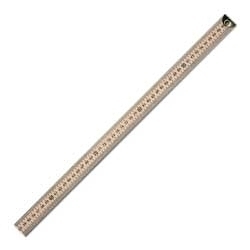
How big is a meter? It is equivalent to 3.2808399 feet, 39.37 inches, and 100 centimeters. Learning how to measure in meters matters a lot in everyday lives, because a lot of our duties require Math!
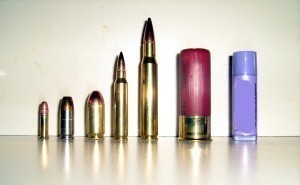
Gauge sizes are used to determine the dimensions of body jewelry and piercings. Many of the body jewelry sizes used range from 18 and 00ga. To make application easier, gauge sizes have their equivalents in inches and fractions.
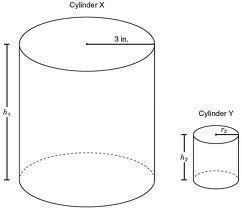
The cubic capacity is one of the primary ways in which volumes are measured. To calculate the cubic capacity, a calculator will be required as well as a tape measure. Understand facts about cubic capacity and how to measure a cylinder’s capacity.
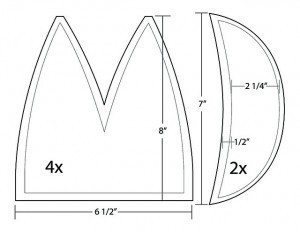
From the ancient to the modern world, the importance of dimensions cannot be denied. If you are involved in making buildings or other projects, the sizes have to be assessed. Grasp the facts about dimensions and why they are so vital.
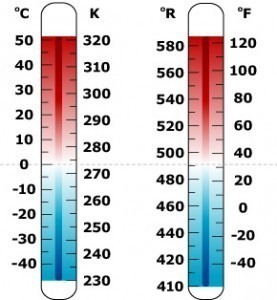
It is sometimes necessary to convert from Celsius to Fahrenheit. This is especially the case when you’re moving to a country where degree Fahrenheit is still in use. You can go online or do the math yourself since converting from one temperature scale to the other doesn’t involve a complicated formula.
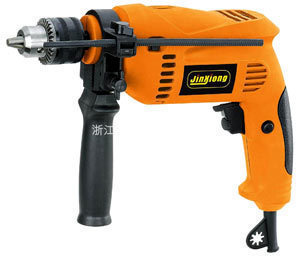
Drill size charts can be utilized to help you understand what drill bit sizes to use. There are many sizing convections used, including fractions and the metric system. Understand the different drill size charts and what the numbers represent.
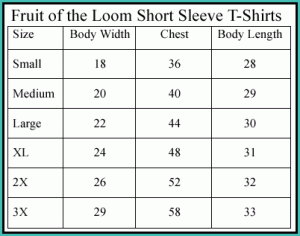
Measurement systems vary and can be quite bewildering for those who need to convert lengths and weights. Use a measurement chart and convert yards to inches, centimeters to millimeters and other figures with ease. Employ a measurement chart and get accurate numbers.
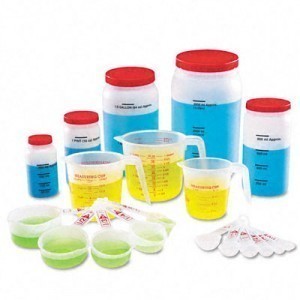
Converting liquid measurements to other forms of measurements can be daunting and confusing. To lessen the confusion, learning a few essential measurements would be very helpful.
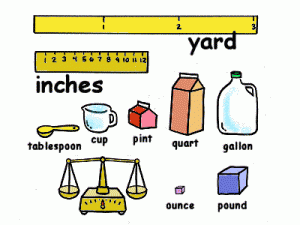
A unit conversion guide will be necessary for anyone who has to compare different lengths, weights and other measurements. Get insights on how to convert lengths, light and other standard units. Use a unit converter and avoid errors when converting different measurements.
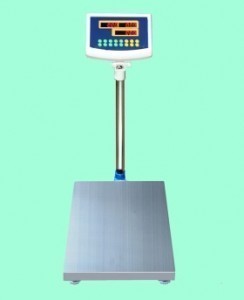
A weighing scale is necessary to get an accurate reading. The dimensions of scales and the weight capacities will depend on the product. Other features of scales include assessing the body water level, fat and body mass index.
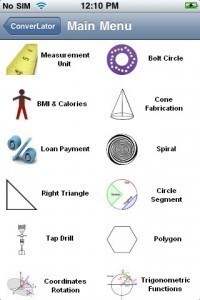
A measurements converter is used to translate the different measurements used by various systems. Use a measurements converter and get the facts and figures right. By employing a converter you can increase your understanding of different measurements.
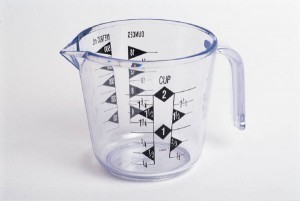
Objects have different volumes and the ways the figure is obtained depends on the shape. Use an overflow can, graduated cylinder and water and get the volume of irregularly shaped objects. By using a volume measurement guide, obtaining conversions will be easier.