SIM Card Dimensions
A SIM card is a removable storage for the service-subscriber key, the 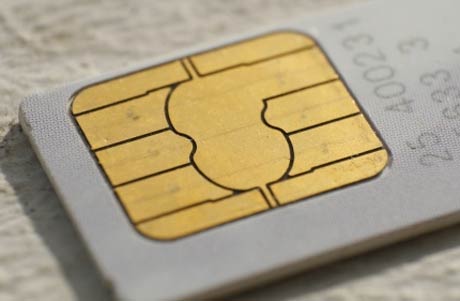 basic purpose of which is to identify mobile telephony device subscribers. It is commonly found in devices like mobile phones and computers. The acronym ‘SIM’ stands for subscriber identity module. With the help of this simple device, users can change mobile phones easily just by inserting it to any broadband telephony device or mobile phone. Aside from these important facts, it is also good to know the different dimensions of a SIM card.
The Dimensions of a SIM Card
There are two standard sizes of SIM cards. The first one is as big as a credit card. It measures 85.60 millimeters long, 53.98 millimeters wide and 0.76 millimeters thick. The second type of SIM card is smaller and more popular because of its sleek and compact design. This one only measures 25 millimeters long, 15 millimeters wide and 0.76 millimeters thick. This kind of SIM is distributed with plastic links connecting it to a card similar to the first one, which can be broken off easily.
Additional Facts and Other Interesting Details
In 1991, Munich smart card manufacturer Giesecke & Devrient invented the first ever SIM card. It sold more or less 300 cards to the Finnish wireless network company Elisa Oyj. Every card contains a unique data called the International Mobile Subscriber Identity. Its first three digits represent the MCC, which stands for the Mobile Country Code. After that, the next couple of digits represent the MNC, which refers to the Mobile Network Code. The following 10 digits represent the card’s mobile station ID number.
Based on the International Standard ISO/IEC 7812, a SIM card must have an integrated circuit card ID or simply ICC-ID just like other smart cards. A maximum 20 unique characters usually represent this important aspect. This is then divided further into two main subparts, the first one of which is the issuer identification number while the second one is the individual account identification.
Mobile phones require the use of SIM cards. This important development led to significant business opportunities, specifically for mobile telecommunications operators. There are two main types of operating systems for SIM cards, namely the Java Card and the native SIM.
All-important network specific information is stored inside SIM cards, which is necessary to identify and authenticate network subscribers. The important data stored in every single SIM card include the Authentication Key, the IMSI or International Mobile Subscriber Identity as well as the Operator-Specific Emergency Number.
Furthermore, it also contains the Integrated Circuit Card ID and the Local Area Identity. Furthermore, it also has important carrier specific data like the Value Added Service applications, the Service Dialing Numbers and the Service Provider Name.